Call Pandion Development Management to discuss resilience planning for your next project.
The building you’re designing today will be in operation in 2060. Are you designing for the climate of 2025?
Most capital projects are designed to include current codes, current climate data, and current utility assumptions. For a senior living community with a 40 to 50-year operational horizon, that approach deserves scrutiny.
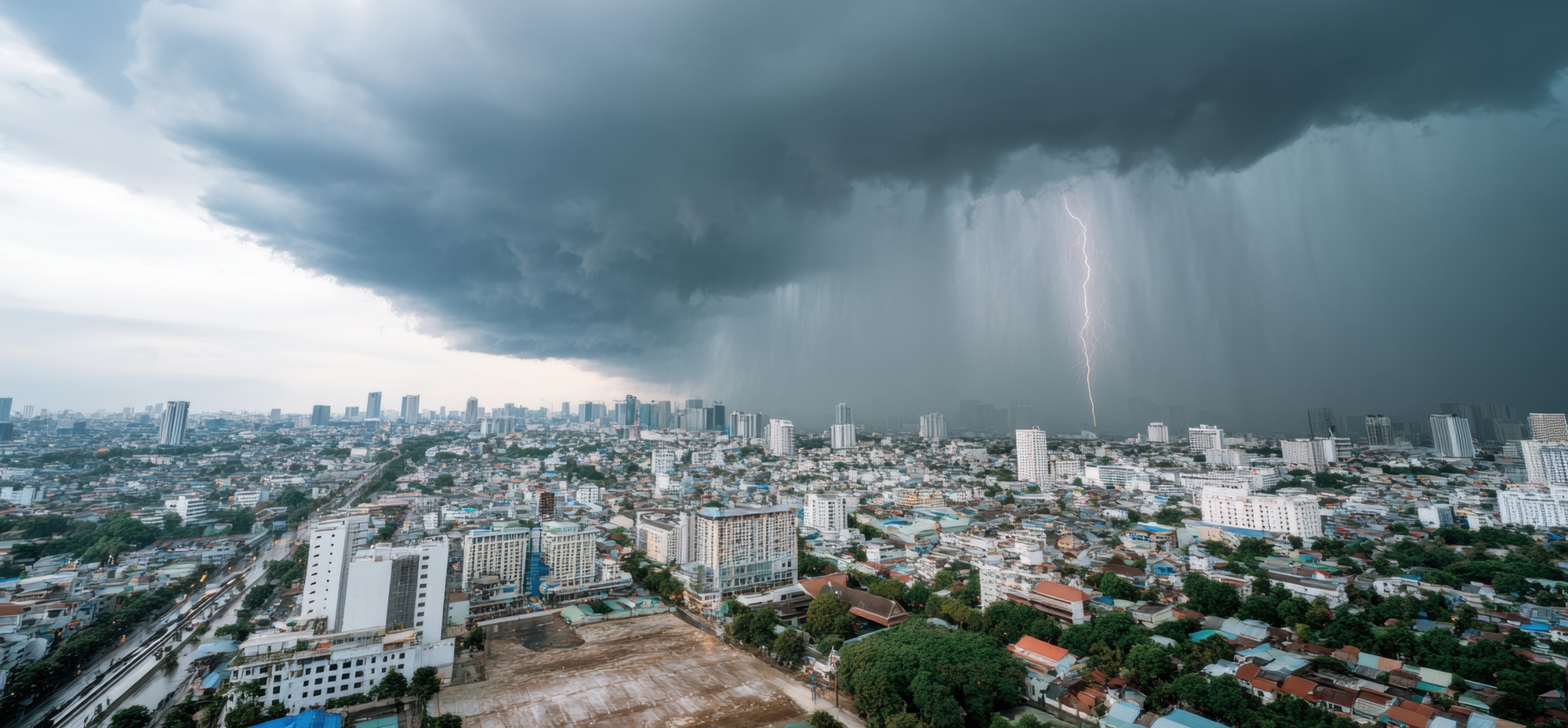
The trends across the East Coast are measurable: more frequent and intense storm events, higher peak summer temperatures, increased grid strain during extreme weather, and rising flood risk in coastal and low-lying areas. These are engineering inputs, not political positions.
For a senior living community, the stakes of a climate-related operational failure are unusually high. Residents may not be able to self-evacuate. Extended power outages affect medical equipment, HVAC, and food service. Prolonged disruptions can harm the people in your care.
Operational resilience as an underweighted priority in senior living project planning. Organizations that address it during design make decisions that are inexpensive. Organizations that address it after occupancy make decisions that are not.
The question is not just whether your building can survive a bad storm. It’s whether it can keep operating, serving residents, maintaining staff, and meeting regulatory obligations, when the conditions around it degrade.
C-PACE financing has made many of these investments significantly more accessible for not-for-profits. The operating savings from a well-designed, resilient envelope compound over decades.
Looking at a resiliency project? Call Pandion Development Management.