There are two ways a resident finds out that construction started earlier than expected this morning. One of them ends with a complaint to the state ombudsman.
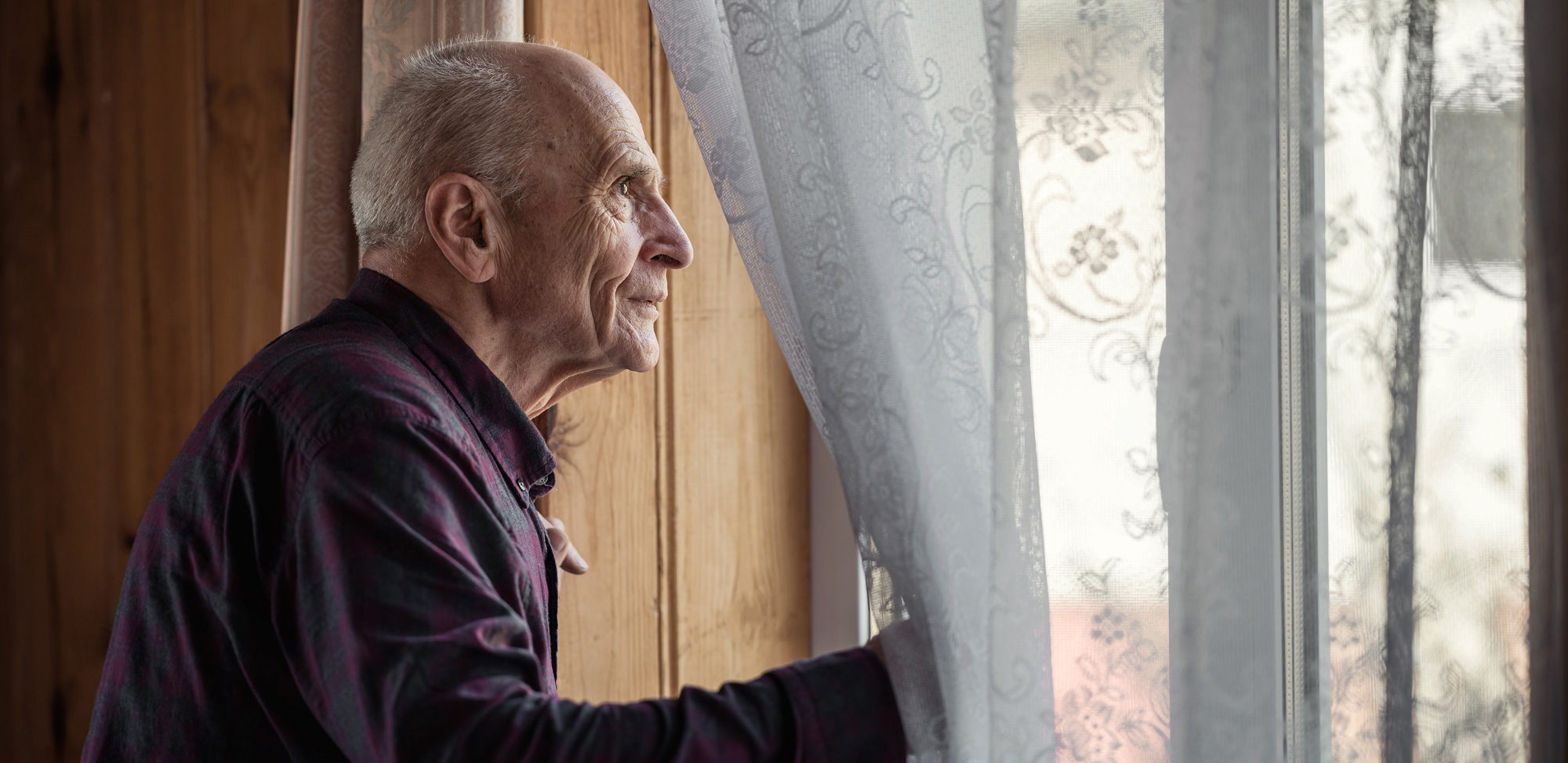
It’s 6:55 a.m. A concrete truck pulls up to the construction entrance of your senior living community, backing up with the characteristic beeping that sounds like an alarm clock you can’t silence. In the room nearest the site, a resident who woke up twice in the night is now awake for good, staring at the ceiling, wondering why nobody told her. By the time the activities director arrives at eight, there are three voicemails from families.
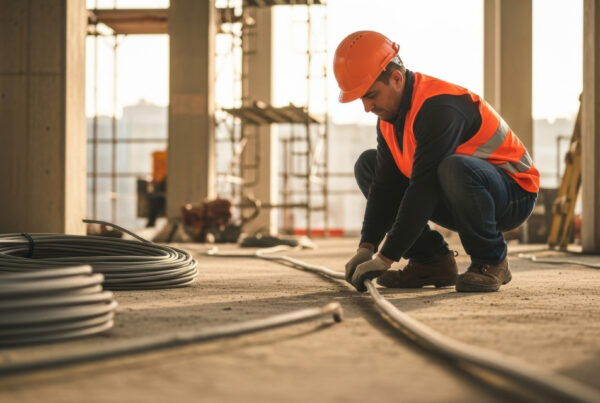
Or a construction team starts jackhammering the sidewalk, not realizing they’re 30 feet from an in-progress AP Chem exam. Students are complaining to the teacher that they can’t focus, and the teacher doesn’t know how to fairly handle the situation. A parent who is a project executive at a local construction management firm leaves a nasty voicemail questioning the competence of your team.
The most effective resident, student, and teacher engagement programs share four elements. First, they start with honest, specific briefings about what will happen during construction: when, how long, and what the organization is doing to protect quality of life. Residents can handle inconvenience, but no one likes an unpleasant surprise.
Second, they maintain regular, proactive communication throughout. A brief weekly construction update in the newsletter, at a standing meeting, or posted in a common area keeps residents, staff, and families informed and invested rather than subjected.
Third, they include visible acknowledgment: a rendering in a common area, a milestone celebration when the structure tops out, a hard-hat tour for interested residents and families. We frequently find that the retired engineers and architects in senior living communities really enjoy the watching how a project is proceeding. Viewing windows in construction fences can be a real asset.
Fourth, they create a clear feedback channel. News of that AP Chem exam won’t make it to the construction team if no one asks. Chris Voss writes that people who feel truly heard become dramatically more flexible and collaborative. Residents, students, and staff who feel ignored become the opposite. We have managed projects where residents and families, when surveyed after completion, described the construction period as better than they expected. That doesn’t happen by accident.