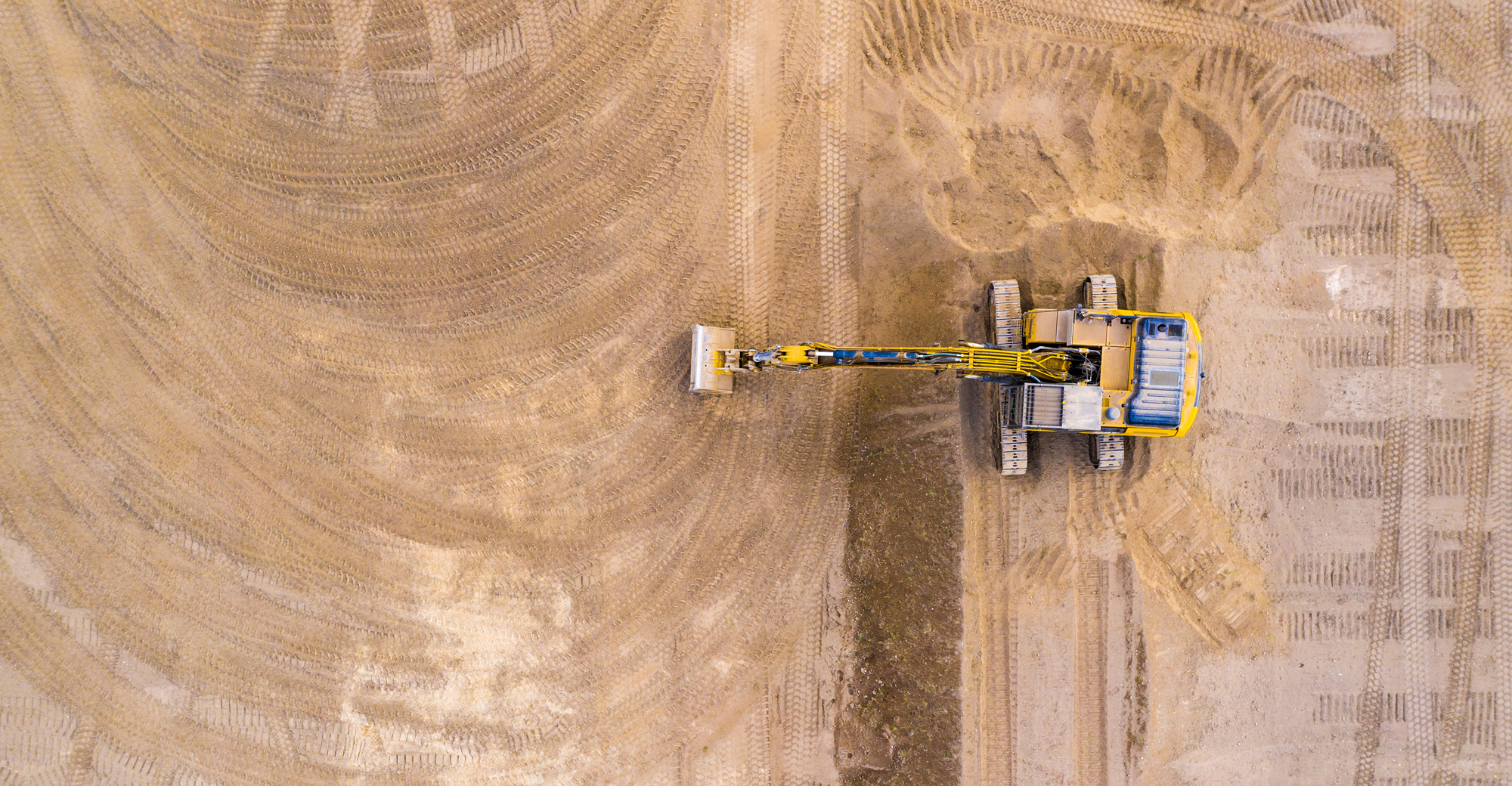
Moving one acre of earth in Pennsylvania can have a massive schedule impact.
Disturb one acre of earth in Pennsylvania and you need a National Pollutant Discharge Elimination System (NPDES) permit for stormwater discharge associated with construction activity. Disturb 5,000 square feet and you need a written erosion and sedimentation control plan even without the permit. Those two numbers set the development schedule for most of our Pennsylvania capital projects, and most people never see them coming.
The permit is federal, administered by the Pennsylvania Department of Environmental Protection (DEP), with county conservation districts doing plan review and inspection under delegation agreements. Because of this, reviews can vary county by county.
DEP’s own standard operating procedure for individual construction stormwater permits allows 15 business days for completeness review, 47 business days for first technical review, and 22 business days for second technical review, with 60 calendar days for an applicant to answer a major completeness deficiency and 30 calendar days, extendable by 15, to answer a technical deficiency. DEP’s target for a final decision is 117 business days.
One hundred seventeen business days is roughly five and a half months of calendar time, and that is the target for a clean application with a good turnaround time. Every deficiency letter sets the cycle back. It also does not consider the design preparation and local preliminary approvals prior to application being made. On the back end, a project generally cannot get its building permit until NPDES is in place.
The good news is that in 2024, Governor Shapiro launched a pilot program running concurrent completeness and technical review in ten counties, including Bucks, Chester, and Montgomery, targeting 98 business days against what one environmental firm characterized as a 171-business-day standard minimum. Also, renewals for NPDES stormwater construction general permits must now be reviewed by the PADEP within 60 days, or they are automatically deemed approved.
Further good news is that many required project activities can progress while the NPDES approval process is happening. A good Owner’s Representative will work with your civil engineer, land use counsel, and other design team members to dovetail all other activities around NPDES approvals. Choosing the right partners for this process is essential, and a challenge Pandion will help you navigate. Similarly, while we find NPDES generally does set the critical path for design and approvals, if the schedule is put together well, there is little lost time. (The flip side being that if the schedule is not put together well, delays can be extensive.)
Another important element to note: the permit applies to the disturbed soil, including soil temporarily disturbed during construction activities, so your contractor needs to be able to access the site without violating the limits of disturbance in the application. Engaging Pandion to build a project team with a good construction manager and a well-managed pre-construction process will ensure that this coordination happens, saving you potential headaches, fees, and delays.
Also importantly, the general permit itself changed as part of Pennsylvania’s streamlining modifications; significantly, there will be post-construction testing that will fall on your operations team to manage. Pandion can build the bridge between your design team and operations team to make sure compliance is relatively pain-free.
TLDR Summary? NPDES approvals generally set the critical path on a development project and must be planned well. Hire Pandion to make sure you have the right team, the process is in your schedule, and that everyone is coordinated to prevent unnecessary delays.